
#9:
Return to Seoul, Garth Greenwell, The Guest, and some news

Today: my favourite film so far this year, recent reads re: sex, power, and precarity, and some slightly belated news
WATCH: Return to Seoul
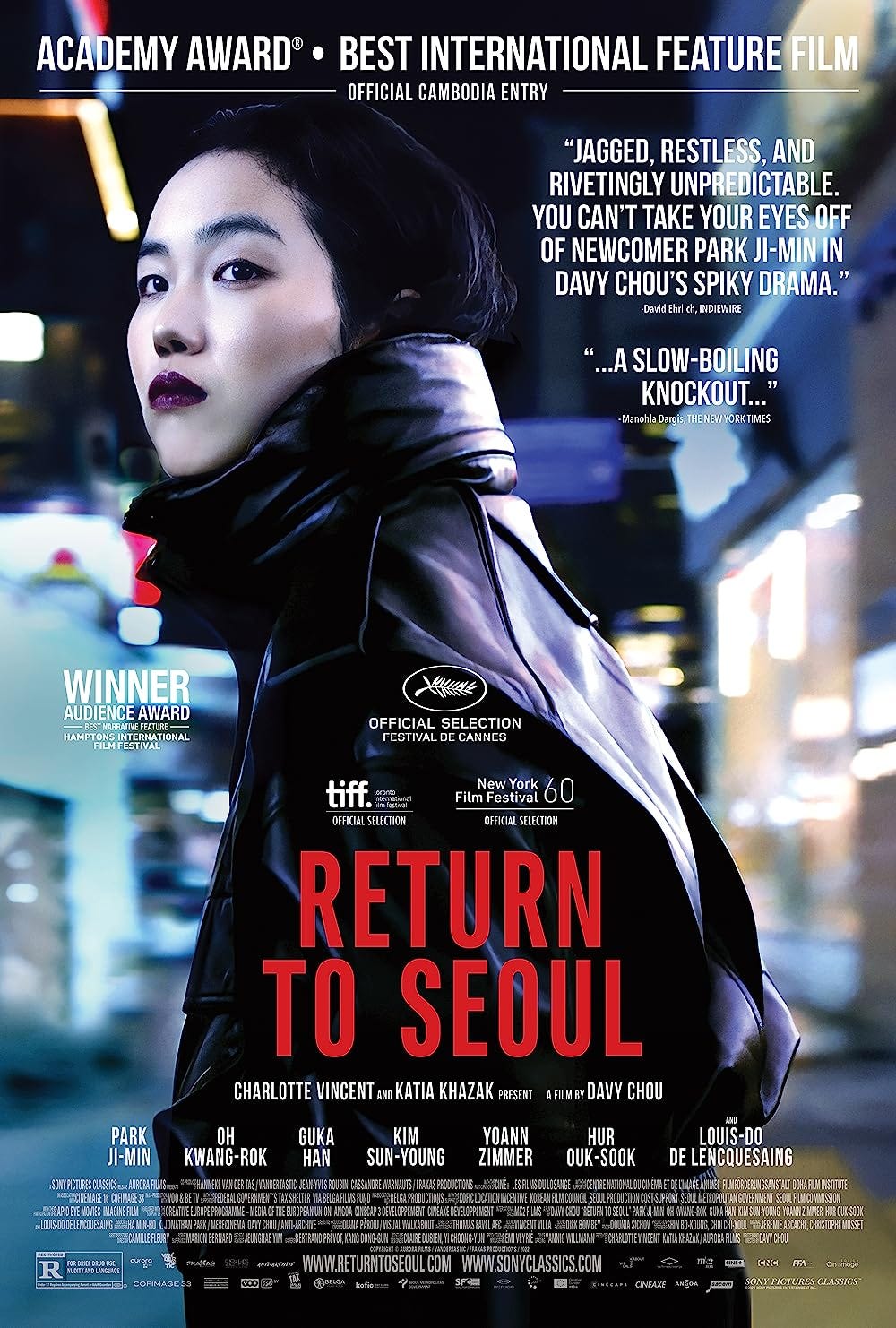
This is perhaps the best film I’ve seen so far this year.
Return to Seoul is one of those movies where, once it was well underway and clear it was going to be extremely good (maybe when Freddie abandoned the ballet slippers by the park bench or started dancing by herself at the bar), I began holding my breath, actually worried about whether it would stick the landing or sound an errant note that would disturb the building sense of it being pitch-perfect. But it carried all the way through.
There’s some similarity to The Worst Person in the World, but they’re very different films and protagonists, so the comparison isn’t a direct, clean one.
At a high-level:
“In Davy Chou’s daring and mesmeric Return to Seoul, an adoptee’s search for her birth parents tears open wounds and unearths neither meaning nor resolution. Freddie (Park Ji-Min) is in her mid-twenties, a French woman adopted from South Korea at birth. She finds herself in Seoul after a trip to Tokyo is disrupted by a typhoon. That’s the excuse she gives to her adoptive mother back home, at least, having kept her entirely in the dark about this unforeseen odyssey. Freddie insists to all, in fact, that she isn’t even here to track down her birth parents. Yet, soon enough, Freddie walks through the door of the adoption agency that processed her through their system over two decades ago.” The Independent
It’s a phenomenal film: unsettling, compelling, unpredictable, really beautiful. The cinematography, script, score all come together in a stunning way, but Park Ji-Min, the lead, is absolutely incredible as the centre of it.
READ: “Promiscuity Is a Virtue: An Interview with Garth Greenwell”
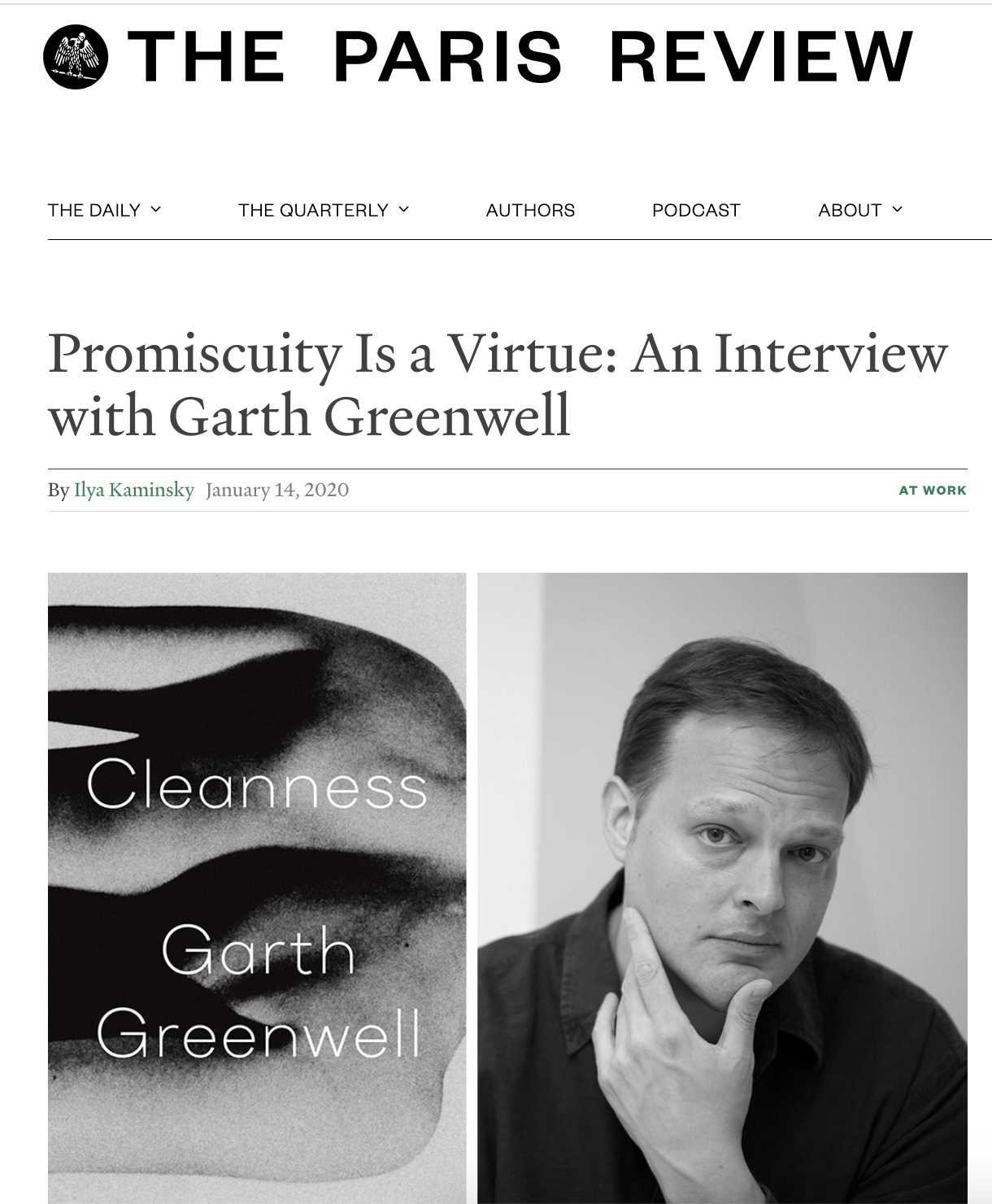
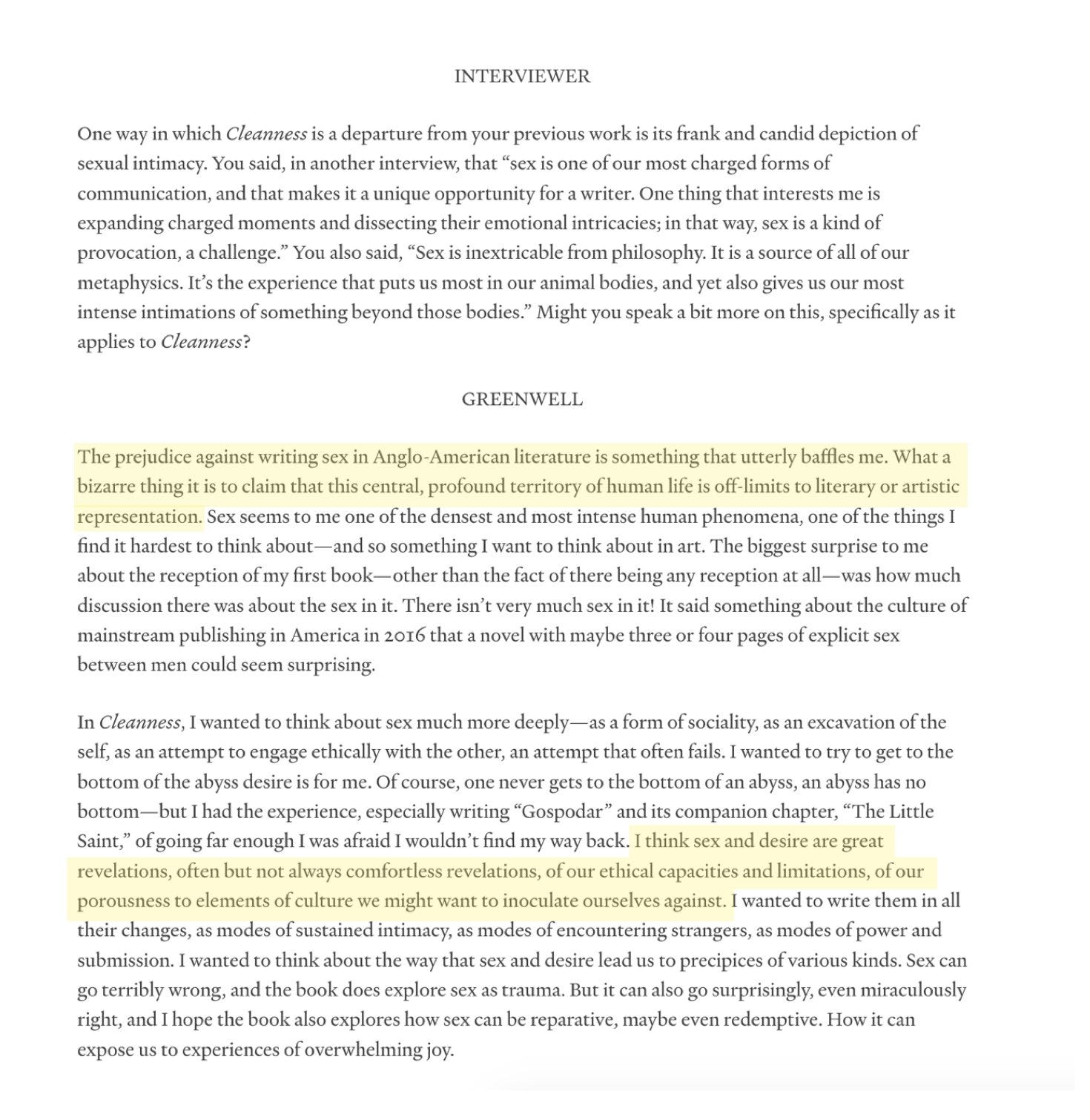
A recent resurfaced read, there are so many lines I’ve highlighted from this interview with Garth Greenwell in The Paris Review:
“The whole point of art, for me, is to give us tools to explore feelings or situations or dilemmas that defeat our other ways of making meaning. When a situation is so vertiginous, so ethically complex, so emotionally fraught, that I feel like I’m staring into an abyss—that’s when I feel moved to make art, when I feel I need the peculiar tools of fiction to figure out what I think. I mean, to inhabit my bewilderment. I think art is the realm in which we can give full rein to the ambiguity, uncertainty, and doubt that we often feel we have to suppress in other kinds of expression—in our political speech, say.”
“The kind of sentence I’m drawn to, which constantly falls back on itself in correction or hesitation or defeat but is also drawn forward by the demands of rhythm and cadence, feels mimetic of desire to me, even of sex.”
READ: The Guest by Emma Cline
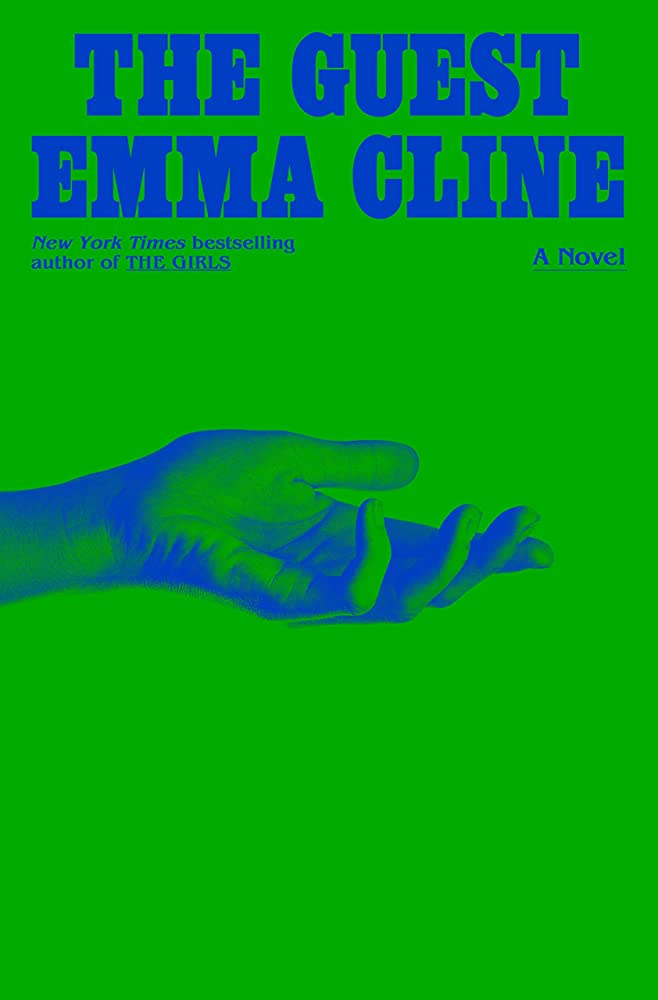
I’m not entirely sure what I thought of this book: it’s well-written, it veers on haunting, it seems technically adept and stylistically strong (and the cover is gorgeous). Often, when contemporary novels try to be “empty modern books,” for lack of a better phrase, they feel pointless; in trying to point at people being lonely, bereft, purposeless, they feel entirely meaningless as novels, rather than making any real point about meaning in life.
The Guest, however, veers more towards being disturbing in its emptiness; it’s an emptiness that hurts. At the start, I found Alex, the protagonist, exceedingly familiar and entirely uninteresting. By the end, even though we don’t, really, learn much about her story before she stepped foot in New York or the Hamptons, there’s a keen empathy you start to feel for her. Put well:
“Alex’s past isn’t accessible; Cline said that she wanted to resist providing what she called “trauma math.” When someone asks Alex why she is the way she is, Cline writes: ‘And he was really asking. Expecting some explanation, some logical equation—x had happened to her, some terrible thing, and so now y was her life, and of course that made sense. But how could Alex explain—there wasn’t any reason, there had never been any terrible thing. It had all been ordinary.’” Vanity Fair
Power, sex, transactional nature of relationships, precarity, the fine lines—some of the topics this story explores. It’s an uneasy, unsettling book; just when you think you know what it is, the emotional tenor starts to shift, and there’s something really heartbreaking that emerges, around ideas of loneliness, in the last third.
So in the end, I suppose because I have kept thinking about The Guest days after reading it, I do recommend it.
Some stand-out quotes:
“She hadn’t ruined anything. Misfortune hadn’t touched Alex: it had only come close enough that she felt the cold air of a different outcome hurtling past.”
“The nausea compacted in on itself, eventually. Certain hours of the night where doom made a terrible sense, where it seemed like the only possible outcome.”
“He listened to summaries of self-help books while he exercised with giant ropes.” (this was just incisively hilarious)
“It always happened this way, Alex pushing in close enough that people paid attention, that they felt edgy. Easy to turn that edginess into adrenaline, interest, indulgence.”
“Hundreds of years ago, their parents might have abandoned their babies in the woods. Instead the neglect was stretched out over many years, a slow motion withering. The kids were still abandoned, still neglect in the woods, but the forest was lovely. Anyway, most people didn’t feel the way they were supposed to feel. Love was a sort of catchall term whose invocation was enough, a way to avoid having to acknowledge how you actually felt.”
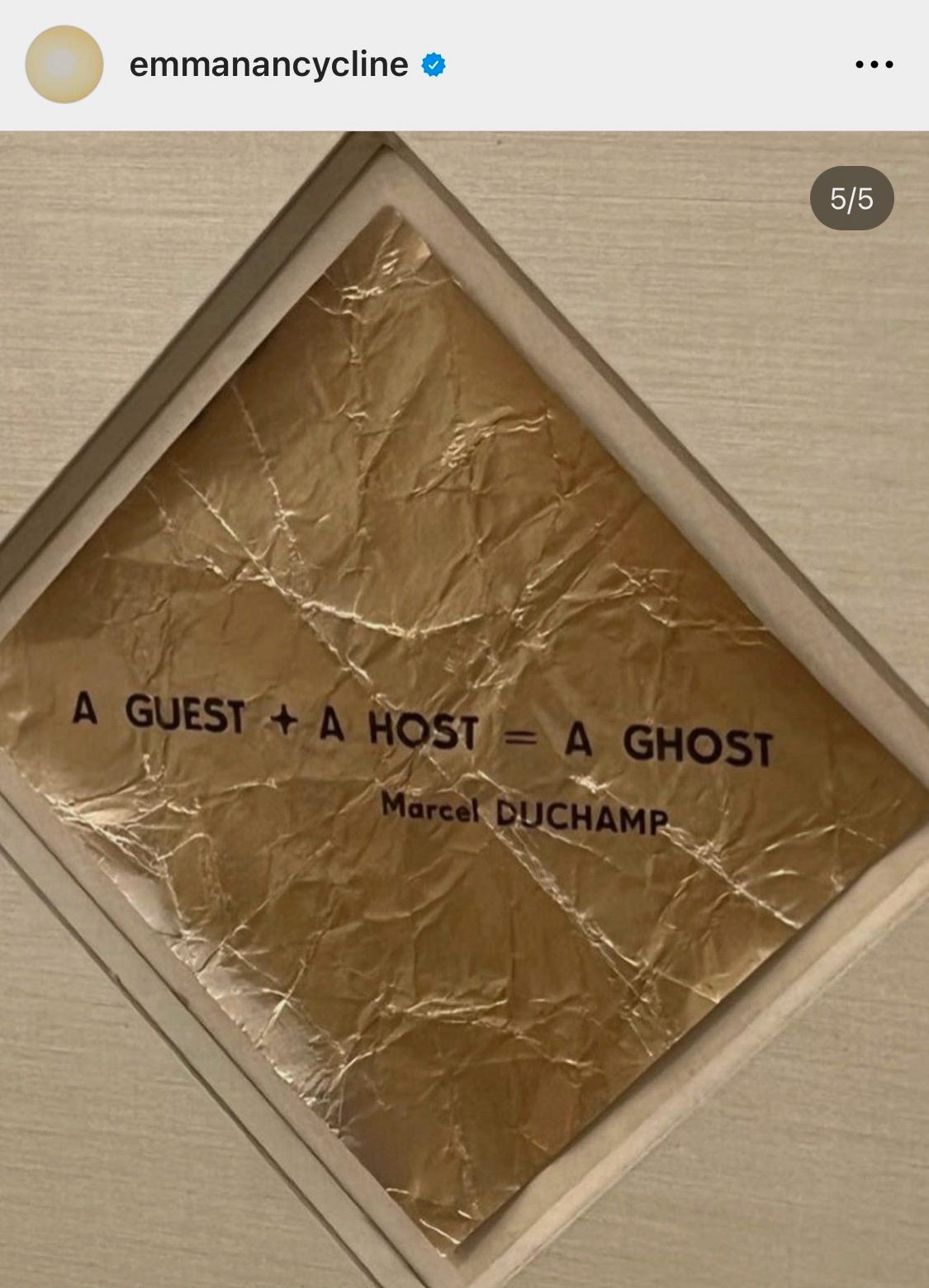
(spoilers—skip to next header if you’d like to avoid) But my main question is whether, and when, Alex died: the almost car-crash right in the first few pages, when she was coming back from the beach, or the full car-crash near the end? This art reposted by the author underscored the suspicion well.
PLUS: Some slightly belated personal news from Twitter
I’ve signed with a wonderful agent, and am really excited to bring Games to life again.

Until next time,